Also Known As :
Lipid Panel and Coronary Risk Panel
Formal Name :
Lipid Profile
Why Get Tested :
To assess your risk of developing cardiovascular imgdisease (CVD) and to monitor treatment.
Sample Required?
A blood sample obtained by inserting a needle into a vein in your arm or from afingerstick.
Test Preparation Needed?
Typically, fasting for 9-12 hours (water only) before having your blood drawn is required, but some labs offer non-fasting lipid testing. Follow any instructions you are given and tell the lab assistant drawing your blood whether or not you have fasted.
What is being tested?
Lipids are a group of fats and fat-like substances that are important constituents of cells and sources of energy. A lipid panel measures the level of specific lipids in the blood.
Overview
Lipids are fats and fat-like substances that are important parts of cells and sources of
energy. A lipid panel measures the level of specific lipids in blood to help assess
someone's risk of cardiovascular disease (CVD).
Two important lipids, cholesterol and triglycerides, are transported in the blood by
lipoprotein particles. Each particle contains a combination of protein, cholesterol,
triglyceride, and phospholipid molecules. The particles measured with a lipid profile
are classified by their density into high-density lipoproteins (HDL), low-density
lipoproteins (LDL), and very low-density lipoproteins (VLDL).
Monitoring and
maintaining healthy levels of these lipids is important in staying healthy.
A Lipid
Profile typically includes:
- Total cholesterol
- High-density lipoprotein cholesterol (HDL-C) — often called "good cholesterol" because it removes excess cholesterol and carries it to the liver for removal.
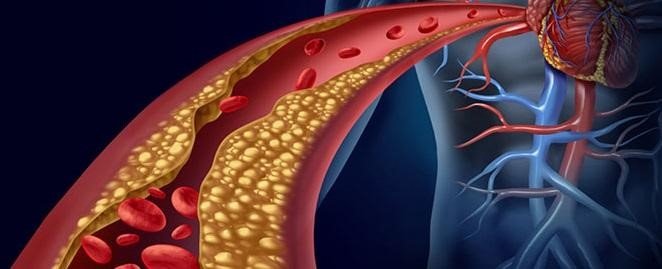
- Low-density lipoprotein cholesterol (LDL-C) — often called "bad cholesterol" because it deposits excess cholesterol in walls of blood vessels, which can contribute to atherosclerosis.
- Triglycerides
What does the test result mean?
In general, healthy lipid levels help to maintain a healthy heart and lower the risk of heart attack or stroke. A health practitioner will take into consideration the results of each component of a lipid panel plus other risk factors to help determine a person's overall risk of coronary heart disease, whether treatment is necessary and, if so, which treatment will best help to lower the person's risk of heart disease.


